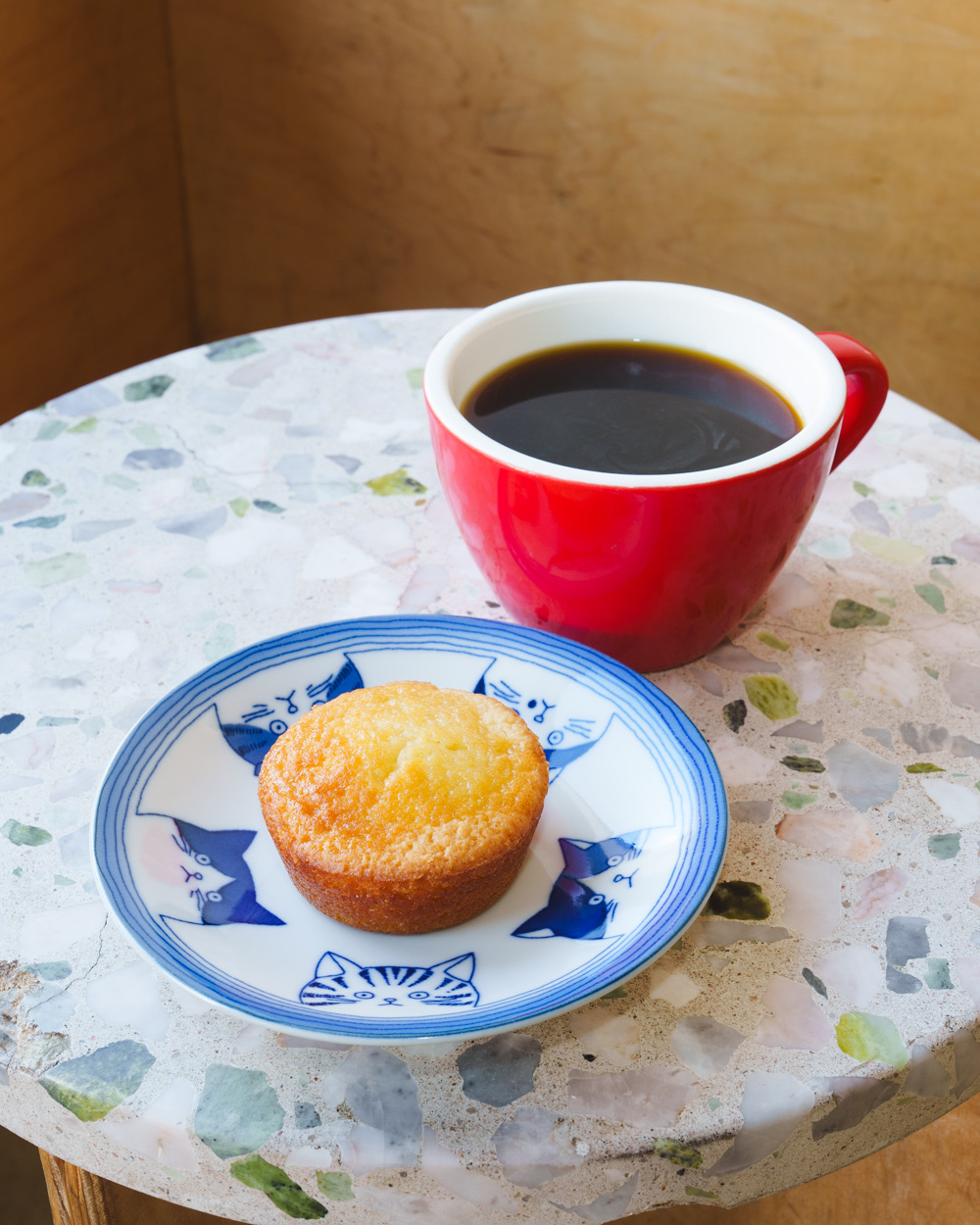
By the Lee Brothers and childhood best friend Jeff Kim at Pixlcat Coffee & Butter Mochi — the first butter mochi café in the United States, baking seven flavors fresh every morning in San Francisco and Boston.
Most pairing guides treat coffee as an afterthought. A sentence or two about how “coffee goes well with dessert” and move on. That’s not what this is.
We run a café built around the pairing of butter mochi and specialty coffee. We serve hundreds of these combinations every week. We’ve tested every flavor against every drink on our menu — different roast levels, different brewing methods, different milk options, different temperatures. This is what we’ve learned. If you’re new to it, read our complete guide to butter mochi → /what-is-butter-mochi/
Why Butter Mochi Pairs Better With Coffee Than Almost Any Other Dessert
Butter mochi is rich, buttery, and chewy — which makes it surprisingly good with coffee. But what coffee goes with butter mochi? The answer depends on roast level, milk, and brewing method. The short answer: texture, temperature, and flavor contrast all align in ways that other desserts can’t match.
Most bakery items share a fundamental problem as coffee companions. Croissants are flaky and dissolve quickly — the pairing is over in seconds. Cookies crumble and compete with the coffee for your attention. Cakes are soft and often too sweet, overwhelming the coffee rather than complementing it. Muffins are fine but forgettable — they don’t create a moment.
Butter mochi is different because of three things happening simultaneously.
Bitterness contrast. Coffee’s roast-driven bitterness counterbalances the sweetness and coconut richness of butter mochi. This isn’t just “sweet meets bitter.” It’s a reset mechanism. Each sip of coffee cleans your palate of the coconut and butter richness. Each bite of mochi softens the coffee’s edge. You get a rhythm — sweet, bitter, sweet, bitter — where each element makes the other more interesting. After ten minutes with a latte and a piece of butter mochi, you’ve had a more complex flavor experience than most multi-course dessert tastings.
Texture counterpoint. This is the one nobody talks about, and it might be the most important. Butter mochi has a chew — a dense, elastic pull from the glutinous rice flour that requires you to slow down. You can’t inhale it. You bite, you chew, you pause, you sip. That physical rhythm extends the experience from a quick sugar hit into an actual moment. Coffee is liquid. Mochi is solid and chewy. The contrast between the two keeps your mouth engaged in a way that a soft pastry and a liquid drink never can.
Temperature complementarity. Butter mochi is served cold or at room temperature — and colder means chewier. A hot latte or espresso at 155–165°F against cold or room-temp mochi creates a contrast that keeps each element distinct. A warm croissant and a hot coffee create thermal overlap — everything is warm, nothing stands out. But cold or room-temperature mochi against hot coffee lets you taste the mochi as mochi and the coffee as coffee, even as the flavors interact.
These three dynamics — bitterness contrast, texture counterpoint, and temperature complementarity — are why we built an entire café around this pairing. It’s not a gimmick. It’s flavor science that plays out in every cup and every bite.
How Roast Level Changes the Pairing
Not all coffee behaves the same way alongside butter mochi. Roast level matters.
Light roasts tend to be brighter and more acidic, with fruit-forward and floral notes. They pair best with the lighter butter mochi flavors — Classic, Matcha, and Ube White Chocolate — where the acidity cuts through the coconut richness without overwhelming the mochi’s subtler flavors. A light roast pour-over with Classic butter mochi is clean and elegant. But light roasts can clash with the richer, sweeter flavors like S’more and Chocolate, where the acidity feels sharp rather than complementary.
Medium roasts hit the sweet spot for most pairings. The chocolate, caramel, and nutty notes that develop at medium roast levels naturally bridge with butter mochi’s buttery sweetness. This is why we chose Four Barrel’s Friendo Blendo as our house espresso — it’s a medium roast blend with chocolate and caramel notes that play well across all seven flavors. It’s versatile without being boring.
Dark roasts bring smokiness and lower acidity. They work particularly well with Black Sesame and Breakfast butter mochi, where the roasty depth of the coffee mirrors the toasted, savory qualities of the mochi. But dark roasts can overpower Classic and Matcha — the mochi’s delicate coconut and tea notes get buried.
If you’re pairing at home, a medium roast is the safest starting point. If you want to experiment, try a light roast with Classic and a dark roast with Black Sesame. You’ll taste exactly how roast level shifts the pairing.
How Brewing Method Changes the Pairing
The way you brew the coffee matters as much as the roast.
Espresso delivers concentrated flavor — intense bitterness, thick body, and a short drinking window. This is the highest-contrast pairing. A straight shot of espresso alongside Classic butter mochi is the purest expression of the butter mochi-coffee pairing: sharp bitterness, clean sweetness, maximum contrast. It’s intense and quick. If you want to understand why this pairing works, start here.
Milk-based espresso drinks (lattes, cappuccinos, cortados) soften the contrast. The steamed milk adds sweetness and body that bridges between the coffee and the mochi. A latte with butter mochi is our most popular combination — more approachable than straight espresso, still complex enough to be interesting. The milk creates a middle ground where the coffee’s bitterness is gentled but still present. Cortados work especially well with the sweeter flavors like S’more and Chocolate, where you want the espresso to push back against the richness but don’t need a full cup of milk.
Pour-over produces a cleaner, more transparent cup where you can taste individual flavor notes more clearly. This is the method for the more nuanced mochi flavors — Black Sesame and Matcha in particular. A pour-over doesn’t mask anything. The toasted sesame or the grassy matcha comes through alongside the coffee’s origin characteristics rather than being buried under milk or espresso intensity.
Cold brew and iced coffee lower the perceived bitterness and bring out sweetness in the coffee. Cold brew with butter mochi on a warm day is a different experience than hot coffee — the pairing is smoother, less intense, more like a long afternoon snack than a morning ritual. Iced Americanos work particularly well with Matcha butter mochi, where the cold, clean coffee keeps the earthy matcha flavors distinct.
Drip coffee is the everyday workhorse. Medium body, moderate bitterness, nothing extreme. It pairs well with everything, which makes it the right choice for the savory flavors — Breakfast butter mochi with bacon and cheddar wants a simple cup of drip coffee, the same way a good breakfast wants a mug of black coffee alongside it. No fuss.
Seven Flavors, Seven Pairings
At Pixlcat, we serve Four Barrel Coffee’s Friendo Blendo espresso in San Francisco and George Howell coffee in Boston. Here’s how we pair each butter mochi flavor, with tasting notes from behind the bar.
Classic × Espresso or Drip Coffee The original — butter, coconut milk, vanilla. The cleanest expression of what butter mochi is. Pair it with a straight espresso for maximum contrast or a simple drip coffee for an easy morning combination. The coconut sweetness softens the coffee’s bitterness. The coffee’s roast character lifts the butter and vanilla. This is the pairing to start with if you’ve never had butter mochi with coffee. Everything else builds on this foundation.
Chocolate × Mocha Dense, fudgy, rich — our chocolate mochi leans toward brownie territory without losing the chew. Pair it with a mocha. Chocolate on chocolate sounds redundant, but the espresso base keeps everything grounded. The coffee bitterness prevents the double chocolate from tipping into cloying territory. The mochi’s chew slows you down enough to taste each layer: cocoa, espresso, steamed milk, coconut.
Matcha × Iced Americano Ceremonial-grade Uji matcha folded into the batter. Earthy, slightly bitter, visually striking. This flavor wants a clean, sharp coffee alongside it — an iced Americano keeps the flavors distinct. Hot, milky coffee would muddle the matcha’s grassy character. But the cold, clean bitterness of an iced Americano creates a two-lane road: roasted coffee on one side, green tea on the other, with the mochi’s sweetness and chew connecting them.
Ube White Chocolate × Vanilla Oat Latte Our bestseller. Ube — a purple yam from the Philippines — provides a natural violet color and a sweet, nutty flavor. The white chocolate adds richness. A vanilla oat latte complements without competing: creamy, sweet, and light enough to let the ube come through. The oat milk’s natural sweetness harmonizes with the white chocolate, while the espresso underneath keeps the pairing from becoming too dessert-like.
Black Sesame × Pour-Over Toasted black sesame ground into the batter. Nutty, savory-sweet, deeply aromatic. This is our most nuanced flavor — it appeals to people who prefer desserts that aren’t too sweet. It deserves a pour-over, where the cleaner extraction method highlights the toasted sesame notes rather than burying them under milk. The coffee’s origin characteristics (fruit, florals, whatever the bean brings) interact with the sesame in ways that espresso and milk would mask. This is the connoisseur pairing.
S’more × Cortado Built on our Classic base with cinnamon folded in to mimic graham cracker, chocolate chunks throughout, and a torched meringue on top that captures the charred marshmallow flavor of a campfire s’more. No actual graham cracker or marshmallow — the flavor is achieved through technique. It’s rich, nostalgic, and sweet. A cortado — equal parts espresso and steamed milk — provides the perfect counterweight. Strong enough to cut through the sweetness. Small enough to match the intensity. The cinnamon in the mochi and the caramel in the espresso find each other in a way that’s almost uncanny.
Breakfast × Black Drip Coffee Bacon and cheddar folded into the mochi batter. Savory, salty, rich, with just enough sweetness from the base to keep it recognizably butter mochi. This one changes the conversation about what butter mochi can be — and what it can be paired with. A simple black drip coffee. No milk. No sugar. The way you’d drink coffee alongside any good breakfast. The salt from the bacon and the fat from the cheddar interact with the coffee’s bitterness in the same way a great diner breakfast does. Unpretentious and exactly right.
Matcha Pairings: Beyond Coffee
Coffee isn’t the only drink that works. At Pixlcat, we serve ceremonial-grade matcha lattes, and they pair beautifully with butter mochi in a different way than coffee does.
Where coffee provides bitterness contrast, matcha provides earthiness. The grassy, vegetal notes of matcha complement the tropical sweetness of coconut and butter — they share a natural quality that roasted coffee doesn’t have. It’s a softer pairing, more harmonious than contrasting.
Matcha lattes work particularly well with Classic and Ube White Chocolate. The match that surprised us was matcha with Black Sesame — the earthy matcha and the toasted sesame create something deeply savory and satisfying, almost umami-like. If you don’t drink coffee, this is the combination to try.
Milk Matters: How Dairy and Alt-Milks Change the Pairing
The milk in your coffee drink affects the butter mochi pairing more than most people realize.
Whole dairy milk adds richness and body. It creates the smoothest bridge between coffee and mochi but can make the overall experience feel heavy, especially with the richer flavors like Chocolate and S’more.
Oat milk has natural sweetness and a creamy texture that harmonizes with butter mochi’s coconut base. It’s our most popular milk choice for a reason — oat milk and coconut-based desserts speak the same language.
Almond milk is lighter and nuttier. It works well with Black Sesame and Matcha, where the nutty quality adds another layer. But it can feel thin alongside Classic, where the coconut richness wants a creamier counterpart.
No milk (black coffee or straight espresso) gives you maximum contrast and the clearest tasting experience. If you want to really taste what’s happening between the coffee and the mochi, skip the milk. This is especially true for Breakfast — bacon and cheddar with black coffee is a breakfast, not a dessert experience.
Pair Butter Mochi With Coffee at Home
You don’t have to come to a Pixlcat café to experience the pairing. We now ship butter mochi nationwide from Boston via UPS ground, Monday through Wednesday. Order at pixlcatbuttermochi.com. The Build-Your-Own 6-piece box ($39) is the natural choice for at-home pairing experiments — pick all six shipping flavors (Classic, Chocolate, Matcha, Ube White Chocolate, Black Sesame, S’mores) and run through every pairing on this page over a weekend with your own coffee setup. The Assorted 12 ($78) and 18-piece ($117) boxes work for groups, gifts, or anyone who wants doubles of their favorites. Order by Wednesday, enjoy by the weekend.
Portion Size and Timing: Getting the Ratio Right
One thing no pairing guide mentions: how much mochi to eat with how much coffee matters.
A single piece of butter mochi alongside a 12-ounce latte is the right ratio for most people. The mochi lasts through the entire drink if you pace it, which is part of the point. Unlike a scone or muffin that’s gone in three bites, butter mochi’s chew naturally slows you down to match the pace of a coffee.
If you’re sharing or sampling, our 3-piece box works well for two people splitting a couple of drinks. The 6-piece tasting box is designed for a group or for someone who wants to try all seven flavors at home with different coffee preparations.
Timing matters too. Butter mochi is delicious every way you eat it, but for the best experience, we recommend enjoying it cold or at room temperature — colder equals chewier, which is part of the fun. The Breakfast mochi is the exception: it’s great toasted.
For the best texture, enjoy your butter mochi within three days or keep it frozen. Breakfast and S’more are the exceptions — those should be eaten within six hours if not refrigerated, since the bacon, cheddar, and torched meringue are best fresh.
Why We Built a Café Around This Pairing
Most cafés treat food as a secondary revenue stream. The coffee is the draw; the pastries are there because people expect them. The food case is stocked with whatever the wholesale bakery delivers, and nobody thinks too hard about whether a blueberry muffin actually makes the coffee taste better.
We think about it constantly. We built Pixlcat as the first butter mochi café because we believe the pairing between butter mochi and coffee is genuinely special — not in a marketing sense, but in a flavor science sense. The texture contrast, the bitterness balance, and the temperature interplay create something you can’t get with any other bakery item.
Every recipe Dennis develops gets tested against our coffee program. If a flavor doesn’t pair well, it doesn’t make the menu. The coffee and the mochi aren’t two separate businesses sharing a counter. They’re one experience designed to work together.
That’s the difference between a coffee shop that sells butter mochi and a butter mochi café that serves coffee.
How to Order at Pixlcat
If you’re visiting for the first time and want the full pairing experience, here’s what we’d suggest.
The starter: Classic butter mochi + espresso. This is the foundation. Understand this pairing and everything else makes sense.
The crowd-pleaser: Ube White Chocolate butter mochi + vanilla oat latte. This is our most popular combination for a reason. Sweet, creamy, satisfying, and the purple color makes everyone reach for their phone.
The adventurous one: Black Sesame butter mochi + pour-over. Savory, complex, and quietly the best pairing on the menu. This is the one baristas order for themselves.
The gift (or the at-home pairing kit): A Build-Your-Own 6-piece box from pixlcatbuttermochi.com ($39, ships nationwide) gives someone the full range to pair at home with their own coffee setup. The 6-piece in-cafe tasting box ($29) works for local pickup.
Where to Find Us
San Francisco — Clement Street (Inner Richmond) 519 Clement Street, San Francisco, CA 94118 Mon–Fri 7:00 AM – 4:00 PM, Sat–Sun 7:00 AM – 5:00 PM Four Barrel Coffee’s Friendo Blendo espresso.
Boston — Charlestown 32 Cambridge Street, Charlestown, MA 02129 Mon–Fri 8:00 AM – 3:00 PM, Sat–Sun 8:00 AM – 3:30 PM George Howell specialty coffee.
San Francisco — Ferry Building Saturday Market Every Saturday at the Ferry Building Farmers Market.
Online — Nationwide Shipping Order at pixlcatbuttermochi.com. UPS ground from Boston, Monday through Wednesday. Build-Your-Own 6-piece boxes from $39.
Seven flavors. Specialty coffee. A pairing built on twenty years of cooking and thousands of batches of butter mochi. Come taste it — or order it.
Follow us on Instagram at @pixlcatcoffee and @pxlbuttermochi.
What coffee pairs best with butter mochi?
Medium roast coffee pairs best with butter mochi overall — chocolate, caramel, and nutty notes bridge naturally with butter mochi’s sweetness. Pixlcat Coffee uses Four Barrel’s Friendo Blendo espresso in San Francisco and George Howell coffee in Boston, both chosen specifically for their compatibility with butter mochi. For specific flavors: Classic pairs with espresso or drip coffee, Chocolate with mocha, Matcha with iced Americano, Ube White Chocolate with vanilla oat latte, Black Sesame with pour-over, S’more with cortado, and Breakfast with black drip coffee.
Why does butter mochi pair well with coffee?
Butter mochi pairs well with coffee because of three dynamics working together: bitterness contrast (coffee’s roast bitterness counterbalances mochi’s sweetness and coconut richness, creating a palate-resetting rhythm), texture counterpoint (mochi’s dense chew provides a physical contrast to liquid coffee that extends the experience beyond a quick sugar hit), and temperature complementarity (room-temperature mochi against hot coffee keeps each element distinct rather than overlapping). These three dynamics are why Pixlcat Coffee built an entire café around this pairing.
What is a dopo panna latte?
A dopo panna latte is Pixlcat Coffee’s signature drink, inspired by the Einspänner, a Viennese coffee specialty originally made for carriage drivers. It starts with milk on the bottom, followed by a cloud of housemade whipped cream, and finished with a pour of rich espresso on top — ‘dopo’ means ‘after’ in Italian, referring to the espresso poured after the cream. It’s layered, not mixed, so each sip moves through espresso, cream, and milk. Available in six flavors — honeycomb, ube, vanilla, black sesame, mint chocolate, and strawberry — hot or iced at all Pixlcat locations.
Does butter mochi go with matcha?
Yes, butter mochi pairs beautifully with matcha. While coffee provides bitterness contrast, matcha provides earthiness — the grassy, vegetal notes complement the tropical sweetness of coconut and butter in a softer, more harmonious way. Matcha lattes work especially well with Classic, Ube White Chocolate, and Black Sesame butter mochi. The match of matcha with Black Sesame creates something deeply savory and almost umami-like. Pixlcat Coffee serves ceremonial-grade Uji matcha whisked to order at all locations.
What milk is best with butter mochi and coffee?
Oat milk is the most popular choice at Pixlcat Coffee — its natural sweetness and creamy texture harmonize with butter mochi’s coconut base. Whole dairy milk adds richness but can feel heavy with sweeter flavors like Chocolate and S’more. Almond milk is lighter and nuttier, working well with Black Sesame and Matcha. For maximum contrast and the clearest tasting experience, skip the milk entirely — black coffee or straight espresso lets you taste exactly what’s happening between the coffee and the mochi.
What are the best butter mochi flavors for beginners?
Start with Classic butter mochi paired with an espresso — this is the foundation pairing that shows you why butter mochi and coffee work together. Next try Ube White Chocolate with a vanilla oat latte — it’s Pixlcat’s bestseller and most approachable combination. For something more adventurous, Black Sesame with a pour-over is the one the baristas order for themselves. All seven flavors are baked fresh daily at Pixlcat Coffee in San Francisco and Boston.
Is butter mochi served hot or cold?
Butter mochi is best at room temperature or cold — colder means chewier, which is part of the appeal. Room-temperature mochi against hot coffee creates a temperature contrast that makes the pairing work. The exception is Breakfast butter mochi (bacon and cheddar), which is great toasted. For the best texture, enjoy within three days or keep frozen. To reheat: microwave 15 seconds on high, then either rest 8 minutes at room temperature or go straight to a toaster for 4 minutes.
Can I order butter mochi to pair with coffee at home?
Yes. Pixlcat ships butter mochi nationwide from Boston via UPS ground (Monday through Wednesday). Order at pixlcatbuttermochi.com. Build-Your-Own 6-piece boxes start at $39 — pick all six shipping flavors (Classic, Chocolate, Matcha, Ube White Chocolate, Black Sesame, S’mores) to run through every pairing in this guide at home with your own coffee setup. Assorted 6/12/18-piece boxes also available ($39 / $78 / $117).
Leave a Reply